
A Best two step prop firm is an organized evaluation system in which traders demonstrate continuity, discipline, and risk control through two phased assessments to be funded. Gaining profits is not the only thing; proving that one can run capital responsibly following strict rules also matters.
One of the most difficult choices for newbies in this context is deciding between swing trading and day trading. Much as both styles are compatible with a Best two step prop firm, the determining factor is the user’s psychology, available time, and risk behavior.
Try to figure out the method that is more suited for beginners for you could gain more success to pass evaluations.
WHAT IS A BEST TWO STEP PROP FIRM
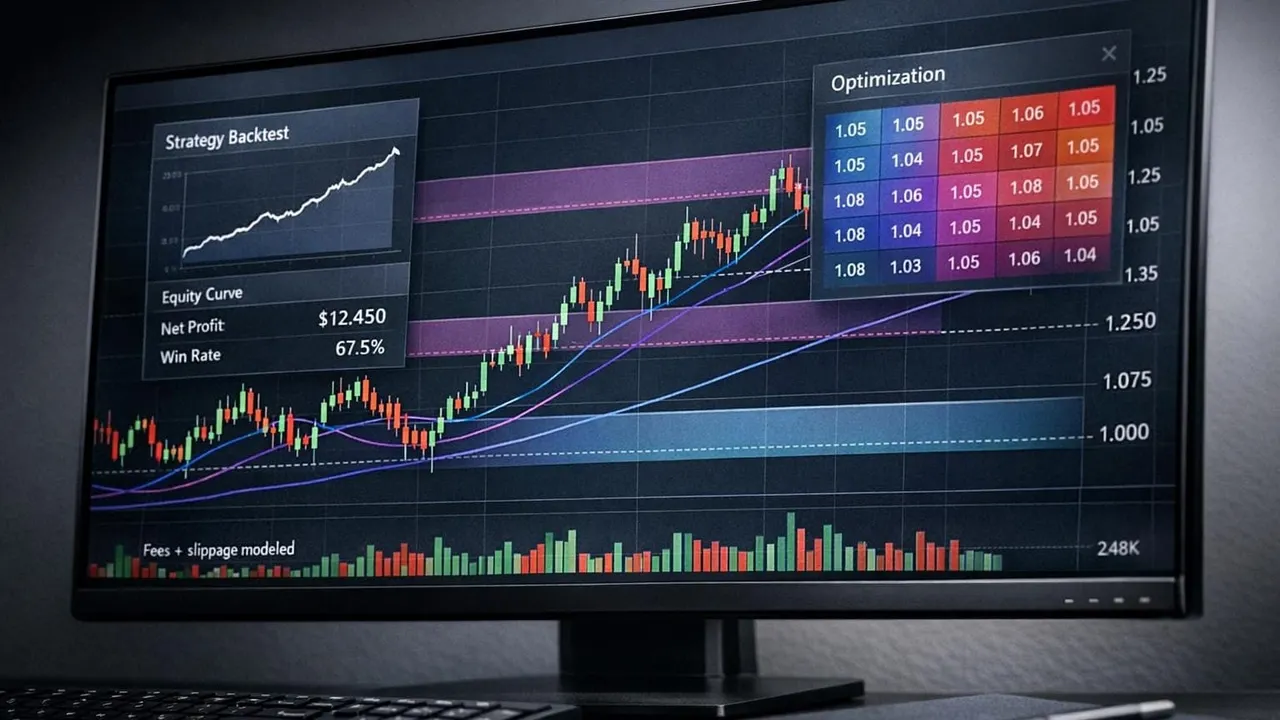
A Best two step prop firm means that traders must get through two evaluation stages. Stage one typically sets a profit target with tight drawdown restrictions. Stage two is about consistency and controlled performance.
These rules aim to filter out emotional traders and back those who execute with discipline. How traders handle their losses is more crucial than how quickly they make profit.
That being the case, different strategies are important although discipline remains the most important factor.
UNDERSTANDING SWING TRADING VS DAY TRADING
Swing trading vs day trading means two totally different styles. Getting in and out of trades on the same day is how it goes with day trading. It mostly depends on quick decisions, constant market watching, and good control of emotions especially in short term price changes.
Swing trading means you hold on to your trades for several days or even weeks. Larger timeframes and bigger market moves are the main focus, so you need to be patient and spend less time at your screen.
Both techniques may be implemented in a Best two step prop firm but each any raise completely different psychological and risk issues.
HOW DAY TRADING PERFORMS FOR BEGINNERS
The beginners may like day trading because it is thrilling and they are constantly in touch with the market. Besides, the numerous opportunities they get in one session. The coming to terms with a Best two step prop firm, this would even help one get to the profit target easily.
Emotional pressure is the first thing to go wrong although it might be a little later. The chances for making errors are increased by going for more trades. Extra trading and rule breaking are the side effects.
The beginners often have difficulties in keeping their discipline when the market is so fast moving. The slightest decision based on emotion can bring one to the level of a drawdown that is breached.
One cannot deny that day trading needs good concentration and proper risk control, which are the things new traders might not have.
HOW SWING TRADING PERFORMS FOR BEGINNERS
When you make a comparison between swing trading vs day trading success possibility goes up for beginners if swing trading is chosen. Holding a trade for a longer time takes away the need to keep a very sharp focus on the market and the trading decisions are more relaxed.
Being a part of a Best two step prop firm would give an opportunity to a newbie doing a swing trading not to feel like he/ she is staring at market phenomena the whole day and also doing impulsive trades.
Swing trading has one main feature through which it coaches on how to be patient and well planned. Also, since the number of trades is smaller, each of them is very carefully considered and structured.
Nonetheless, beginners must keep in mind that, patience is not an easy virtue to hone since the waiting period necessary for setups will test one psychologically.
RISK MANAGEMENT IN BOTH STRATEGIES
Risk management is the key component when it comes to successfully passing a Best two step prop firm challenge, irrespective of a trader decision to swing trade or day trade.
The number of trades in day trading results in a higher level of exposure whereas the duration of exposure to market fluctuations is longer in swing trading.
The main point here is that both of the mentioned trading ways need strict position sizing and stop-loss discipline. A great strategy can be completely wasted if there is no proper risk control.
Controlled losses rather than aggressive profits are the main concern of prop firms.
PSYCHOLOGY AND DISCIPLINE FACTOR
The role of psychology in the accomplishment of a Best two step prop firm cannot be underestimated.
Day trading is a great opportunity to demonstrate the ability to maintain emotional control under stress and time pressure whereas swing trading is a test of one’s ability to be patient and disciplined over longer periods.
Newcomers most often do not pass because they emotionally react to events through revenge trading, they become overconfident or they just simply lack patience.
The greatest thing that distinguishes successful people from unsuccessful ones is not the strategy they use, but their mindset and the ability to keep it consistent.
WHICH STRATEGY IS BETTER FOR BEGINNERS
Out of swing trading vs day trading, the former is considered to be a more favorable option for novice traders in a Best two step prop firm setting.
It helps to soften emotional impact, prevents excessive trading, and gives comfortable time for making decisions. Hence, it’s more likely for beginners to comply with risk rules and keep their performance consistent.
Nevertheless, if beginners are inclined towards active trading and are willing to work on their emotional control, day trading could still be a viable option for them.
The bottom line is that it doesn’t really matter which strategy is theoretically better as what really matters is that a trader is able to follow the chosen strategy in a disciplined manner.
COMMON MISTAKES BEGINNERS MAKE
Lack of consistency is a big issue that comes from frequently changing the trading style between swing trading and day trading. Eventually, this will result in confusion and unpredictable performance.
Also, making numerous day trades or keeping losing trading positions in swing trading for too long without honoring the stop loss are mistakes.
Quite a few newcomers do not pay enough attention to prop firm rules and concentrate on profit targets only, which results in failure in both strategies.
One can get away with having a weak strategy, but breaking rules is a real disaster in a Best two step prop firm.
CONCLUSION
By its nature, a Best two step prop firm assesses the level of discipline in a trader, not the trading skills alone. So, when it comes to swing trading vs day trading, anything goes as far as strategies if you have the risk controlled.
For someone without much experience, swing trading usually represents a smoother ride and easier control, however, at the end of the day, it all comes down to consistency and emotional control.
Eventually, the ones who follow the risk rules, are patient, and are disciplined throughout the evaluation phase will be the traders to emerge successfully and enjoy the perks of the funded trading environment.
